
Small business owners across the United States have been given just over two extra weeks to weigh in on how they borrow, how they struggle, and how they grow. On November 7, 2026, the Federal Reserve Bank of New York confirmed on its homepage that the 2026 Small Business Credit Survey deadline has been pushed from November 13 to November 30, 2026 — a change adopted by all 12 Federal Reserve Banks.
The shift matters because this is the annual data pipeline that federal policymakers, regulators and lenders use to read the health of credit access for firms with fewer than 500 employees. This article summarises what was announced, what the survey actually covers, and how the extension fits into the longer history of the programme, using the NY Fed’s own notice as the primary source and background information compiled via gf6.com. Understanding the 2026 Small Business Credit Survey in full requires looking at these details closely.
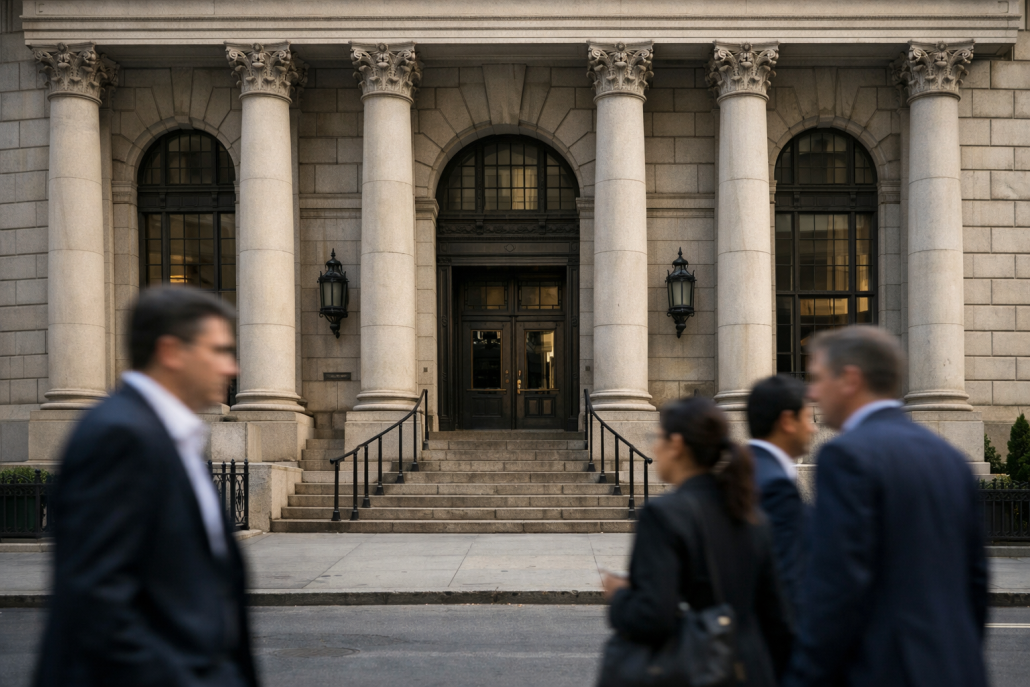
The finding — what the Fed announced — 2026 Small Business Credit Survey
The headline fact is simple: the response window for the 2026 Small Business Credit Survey is now open until November 30, 2026, instead of closing on November 13. The extension was confirmed on the NY Fed homepage on November 7, 2026, and applies system-wide across all 12 Federal Reserve Banks.
The survey itself is not new. It began as a regional NY Fed pilot in 2010 before expanding nationally in 2014. It collects information on financing needs, credit experiences and general business conditions from firms with fewer than 500 employees, and its results feed directly into assessments used by the Fed, federal agencies and service providers to understand small-business credit gaps. These figures put the 2026 Small Business Credit Survey into clearer perspective.
The announcement was reported by multiple outlets within the Federal Reserve ecosystem, including Fed Small Business and the Maryland Comptroller, which independently confirmed the extended deadline and encouraged small employers to respond.
What it means for small businesses and policy
For owners who had the survey sitting in a to-do pile, the practical effect is straightforward — there are now additional days to submit a response. For the Fed, a longer collection window generally raises the odds of a broader and more representative sample, particularly from smaller or time-pressed firms that are hardest to reach. This context matters for anyone following the 2026 Small Business Credit Survey.
The survey covers firms in the NY Fed’s Second District, which spans New York, northern New Jersey and Fairfield County in Connecticut, as well as the rest of the country through the other Reserve Banks. Because the data feed into how regulators and lenders think about credit access, the responses submitted during this extra window are likely to shape how community-lending conditions are described in the coming year’s analysis. It is a central thread in the wider 2026 Small Business Credit Survey.
It is worth being careful about interpretation. The extension itself is a procedural change; it is not, on its own, a statement about credit tightness or small-business distress. Any read on what the 2026 results ultimately show will have to wait until the Fed publishes the data.
Background: a survey that started in New York
The Small Business Credit Survey has a specifically New York origin story. It was launched as a regional pilot by the Federal Reserve Bank of New York in 2010, in the aftermath of the financial crisis, when questions about whether small firms could still access bank credit were especially acute. In 2014 it was expanded into a national programme run jointly by all 12 Federal Reserve Banks.
Today it remains one of the main structured sources of first-hand information from small employers about their financing experiences — what they applied for, what they received, and what gaps they encountered. If you want to see the physical banking footprint that sits behind those credit relationships in the Second District, you can browse banks in New York in the gf6.com directory.
Explore the full data behind this article: bank branches worldwide and ATMs worldwide in the gf6.com directory.
Methodology
This article is a rewrite of a single, already-public announcement. The primary source is the Federal Reserve Bank of New York’s own notice, published on its homepage on November 7, 2026 and available via New York Fed — Outreach & Education. Corroborating notices were published by Fed Small Business and the Maryland Comptroller.
Background context on the survey’s history and scope — its 2010 NY Fed pilot, its 2014 national expansion, and its focus on firms with fewer than 500 employees — is drawn from the same sources and compiled via gf6.com’s editorial research. No figures, percentages or sample sizes beyond what was stated in the announcement have been added. The gf6.com directory itself is a curated database of bank branches and ATMs worldwide; it is a large but incomplete sample and is not an official government dataset.
Frequently asked questions
What exactly changed on November 7, 2026?
The Federal Reserve Bank of New York confirmed on its homepage that the 2026 Small Business Credit Survey deadline was extended from November 13 to November 30, 2026. The change applies across all 12 Federal Reserve Banks.
Who can take part in the Small Business Credit Survey?
The survey is aimed at firms with fewer than 500 employees. It gathers information on financing needs, credit experiences and business conditions, and includes employers in the NY Fed’s Second District as well as the rest of the country.
How long has the survey been running?
It started as a regional NY Fed pilot in 2010 and expanded into a national programme run by all 12 Federal Reserve Banks in 2014. It has been collected on an annual basis since then.
Why does the extension matter?
The responses feed directly into assessments used by the Fed, federal agencies, regulators, lenders and service providers to understand small-business credit gaps. More time to respond generally means a broader base of input from small employers.
Does this announcement tell us anything about current credit conditions?
No. The November 7 notice is a procedural deadline change. Any conclusions about 2026 credit access conditions will have to wait until the Fed publishes the survey results.
Where can you read the original notice?
The announcement is on the NY Fed’s outreach and education pages, with corroborating information from Fed Small Business and the Maryland Comptroller’s office. All three links are included in the methodology section above.
This article was produced with AI assistance from publicly available sources and is handled under our editorial standards and AI policy.

I have been online since 1995. For many years, I worked in the e-commerce sector, setting up several online shops, and have always been interested in data analysis. In 2007, I moved to the Seychelles to work from there or as a digital nomad. In recent years, I have increasingly specialised in the financial sector. I manage the Seychelles’ Commercial Register and am also very familiar with the offshore world. GF6.com is a project I have been working on for many years. I built and curated the 445,000-entry bank database myself over a period of six years, and for the past two years or so I have also been using AI to achieve better structures.
More from this author →