
The Bangko Sentral ng Pilipinas lifted its benchmark reverse repurchase rate by 50 basis points to 5.50% on 22 October 2026 — its first half-point move since February 2023, and a size that 20 of 22 economists polled by BusinessWorld had not expected. The BSP rate hike October 2026 is the fourth consecutive increase this year and takes cumulative tightening since April to 125 basis points.
This article summarises what the central bank announced, how analysts and the peso reacted, and what the move signals for borrowers and savers using banks in Philippines. The event was first reported by Manila Bulletin and independently covered by multiple Philippine outlets on the same day; our role here is to put the decision into clear context for an international reader, using gf6.com’s directory of Philippine banks as the backdrop.
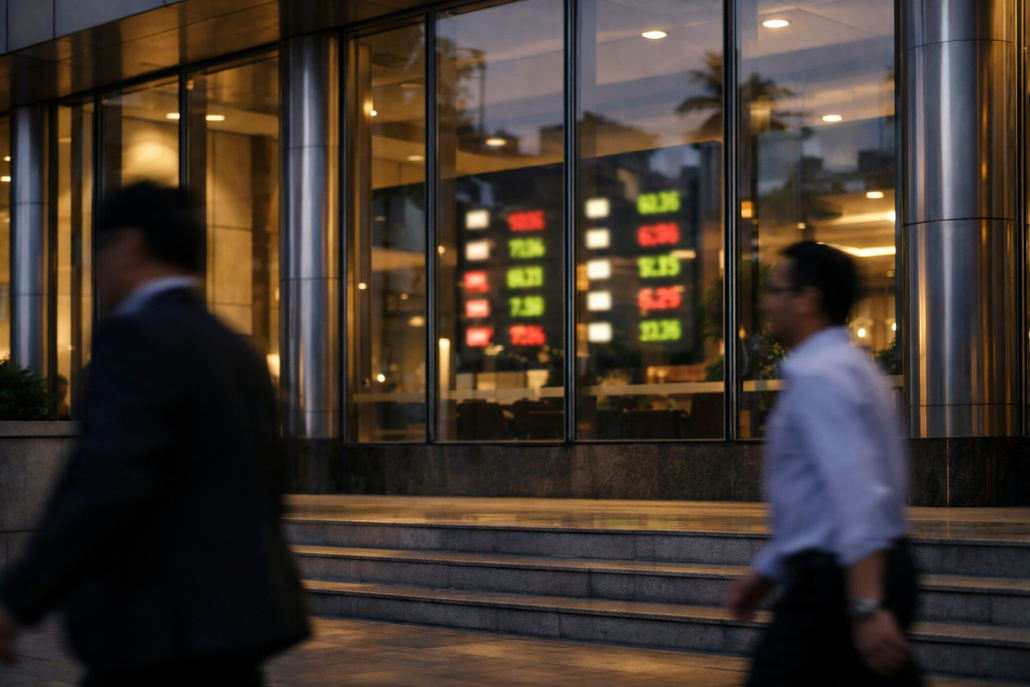
The finding — what the BSP actually did — BSP rate hike October 2026
The Monetary Board’s 22 October decision was larger than almost anyone expected and reset the entire policy corridor. Here are the key figures from the announcement, exactly as reported: Understanding the BSP rate hike October 2026 in full requires looking at these details closely.
- Benchmark reverse repurchase rate: raised by 50 basis points to 5.50%.
- Overnight deposit facility: 5.0%.
- Overnight lending rate: 6.0%.
- First 50bp hike since February 2023.
- Fourth consecutive hike in 2026; cumulative tightening since April: 125 basis points.
- Analyst consensus beforehand: 20 of 22 economists polled by BusinessWorld had forecast only a 25bp increase.
- Trigger: headline inflation of 7.2% year-on-year in September, the fastest in five months, driven by food, fuel and transportation costs.
- Peso level around the decision: near a record low of P63.50 per dollar.
- BMI (a Fitch Solutions unit), on 24 October 2026, projected at least one more 25bp hike at the 17 December meeting and revised its end-2026 forecast to 5.75%.
The decision was reported by Manila Bulletin and corroborated the same day by other Philippine business desks, including The Philippine Star and Inquirer Business.
What it means
The size of the move matters more than the direction. A 25bp hike had been fully priced in; delivering 50bp instead is the clearest signal yet that the BSP believes September’s 7.2% inflation print was not a one-off. By front-loading, the central bank gets ahead of expectations rather than chasing them — a classic emerging-market response when the currency is also under pressure. These figures put the BSP rate hike October 2026 into clearer perspective.
The peso trading near P63.50 per dollar is the other half of the story. A weaker currency makes imported fuel and food more expensive in local terms, which feeds back into the same inflation the BSP is trying to contain. A larger rate hike widens the yield gap versus the dollar and, at least in theory, supports the peso — though whether it does so in practice depends on global rate expectations the BSP does not control. This context matters for anyone following the BSP rate hike October 2026.
For households and businesses, the practical effect is straightforward: borrowing costs on peso loans linked to the policy corridor will rise, and deposit rates at commercial banks typically follow with a lag. BMI’s projection of a further 25bp hike on 17 December, taking the rate to 5.75% by year-end, suggests the tightening cycle is not yet finished. This is one analyst view, not a BSP commitment. It is a central thread in the wider BSP rate hike October 2026.
Globally, the decision adds to a pattern of small-to-mid-sized Asian central banks moving more aggressively than markets expect when both inflation and currency pressures build at once. It is a reminder that emerging-market rate paths this cycle are being set data point by data point. Such details shaped how the BSP rate hike October 2026 unfolded.
Methodology
The event facts in this article — the 50bp hike to 5.50%, the overnight deposit facility at 5.0% and overnight lending rate at 6.0%, the September inflation reading of 7.2%, the analyst poll result, the peso level near P63.50 per dollar, and the BMI forecast of 24 October 2026 — are taken verbatim from public reporting by Philippine business media. The primary source is Manila Bulletin, corroborated by The Philippine Star and Inquirer Business.
The directory context — the network of Philippine bank branches referenced above — comes from gf6.com’s own curated worldwide directory of bank branches and ATMs, built manually from public sources since 2020 and expanded over four years. Coverage varies by country and the directory is a large but incomplete sample of the world’s financial infrastructure; it is not an official or government dataset. For the Philippine listings used as background, see banks in Philippines.
Frequently asked questions
How much did the BSP raise rates on 22 October 2026?
By 50 basis points, lifting the benchmark reverse repurchase rate to 5.50%. The overnight deposit facility moved to 5.0% and the overnight lending rate to 6.0%.
Why was the hike called a surprise?
20 of the 22 economists polled by BusinessWorld before the meeting had forecast only a 25bp increase. The BSP delivered double that, making it the first half-point move since February 2023.
What triggered the larger-than-expected move?
Headline inflation hit 7.2% year-on-year in September — the fastest in five months — driven by food, fuel and transportation costs. The peso was also trading near a record low of P63.50 per dollar, adding imported-inflation pressure.
How much has the BSP tightened in 2026 overall?
This was the fourth consecutive hike of the year. Cumulative tightening since April 2026 now stands at 125 basis points.
Will the BSP hike again?
BMI, a Fitch Solutions unit, said on 24 October 2026 it expects at least one more 25bp increase at the 17 December meeting, revising its end-2026 forecast to 5.75%. This is an analyst projection, not a BSP commitment.
What does this mean for bank customers in the Philippines?
Loan rates linked to the policy corridor typically rise after a BSP hike, and deposit rates at commercial banks usually follow with a lag. The exact pass-through varies by bank and product.
This article was produced with AI assistance from publicly available sources and is handled under our editorial standards and AI policy.

I have been online since 1995. For many years, I worked in the e-commerce sector, setting up several online shops, and have always been interested in data analysis. In 2007, I moved to the Seychelles to work from there or as a digital nomad. In recent years, I have increasingly specialised in the financial sector. I manage the Seychelles’ Commercial Register and am also very familiar with the offshore world. GF6.com is a project I have been working on for many years. I built and curated the 445,000-entry bank database myself over a period of six years, and for the past two years or so I have also been using AI to achieve better structures.
More from this author →
